The Ultimate Guide to Choosing CRM Tools for Sales Success in the USA’s Leading Markets
In today’s fast-paced business environment, Customer Relationship Management (CRM) tools have become essential for companies aiming to enhance their sales success. This guide aims to provide a comprehensive overview of how to choose the right CRM tools tailored to the unique needs of businesses operating in the USA’s leading markets.
Understanding CRM and Its Importance
What is CRM?
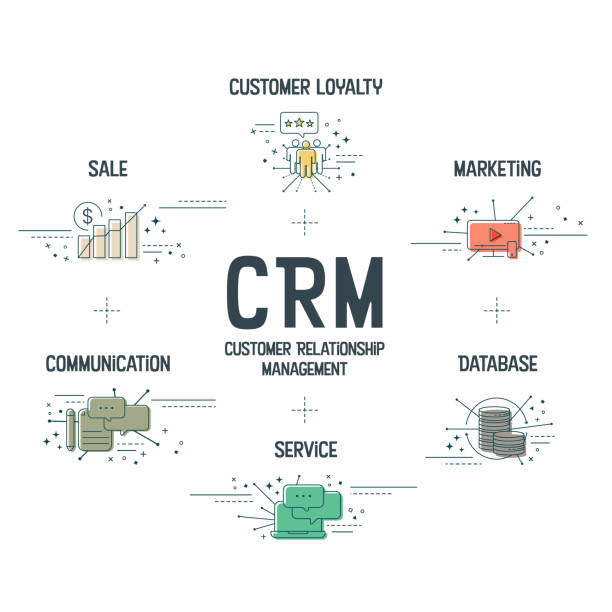
Customer Relationship Management (CRM) refers to a technology for managing all your company’s relationships and interactions with potential customers and clients. The goal is straightforward: improve business relationships to grow your business. A CRM system helps companies stay connected to customers, streamline processes, and improve profitability.
Why is CRM Crucial for Sales Success?
CRM tools are vital for sales success for several reasons:
- Enhanced Customer Relationships: By centralizing customer data, businesses can personalize interactions and build stronger relationships.
- Increased Efficiency: Automating repetitive tasks allows sales teams to focus on selling rather than administrative duties.
- Data-Driven Decisions: CRMs provide valuable insights into customer behavior, enabling informed decision-making.
Key Features to Look for in CRM Tools
When selecting a CRM tool, consider the following features that can significantly impact your sales success:
1. Contact Management
A robust contact management system allows you to store and organize customer information efficiently. This feature should enable easy access to customer data, including interaction history and preferences.
2. Sales Automation
Sales automation features help streamline the sales process by automating tasks such as follow-ups, reminders, and reporting. This can lead to shorter sales cycles and increased productivity.
3. Analytics and Reporting
The ability to analyze data and generate reports is crucial. Look for CRMs that offer customizable dashboards and detailed analytics to track performance metrics effectively.
4. Integration Capabilities
Ensure that the CRM can integrate seamlessly with other tools your business uses, such as email marketing platforms, social media, and e-commerce solutions.
5. Mobile Accessibility
With the increasing reliance on mobile devices, having a mobile-friendly CRM is essential. This feature allows sales teams to access customer data on-the-go, enhancing flexibility and responsiveness.
Evaluating CRM Options in the USA Market
Market Overview
The USA CRM software market is expected to grow significantly, reaching an estimated value of USD 23.2 billion in 2023. This growth is driven by the increasing demand for advanced customer engagement solutions across various industries
.
Leading CRM Providers
Several prominent CRM providers dominate the market in the USA:
- Salesforce: Known for its extensive features and customization options.
- HubSpot: Offers a user-friendly interface with powerful marketing automation capabilities.
- Zoho CRM: Provides a cost-effective solution with a wide range of integrations.
- Microsoft Dynamics 365: Ideal for businesses already using Microsoft products due to its seamless integration.
Choosing the Right CRM for Your Business
Assess Your Needs
Before selecting a CRM tool, assess your business’s specific needs:
- Size of Your Business: Larger organizations may require more complex solutions with advanced features, while small businesses might benefit from simpler, more affordable options.
- Industry Requirements: Different industries have unique requirements; ensure the CRM can cater to your specific sector.
Budget Considerations
CRM systems come with varying price points. Consider not only the initial investment but also ongoing costs such as subscriptions, training, and support services.
Trial Periods and Demos
Most reputable CRM providers offer trial periods or demos. Take advantage of these opportunities to test out different systems before making a commitment.
The Role of AI in Modern CRMs
Artificial Intelligence (AI) is transforming how businesses use CRM tools:
- Predictive Analytics: AI can analyze customer data to predict future behaviors, helping sales teams target their efforts more effectively.
- Chatbots: Many CRMs now include AI-driven chatbots that can engage customers in real-time, improving response times and customer satisfaction.
- Personalization: AI enables more personalized marketing efforts by analyzing customer data and preferences.
Measuring Success After Implementation
Once you’ve implemented a CRM system, it’s crucial to measure its impact on your sales success:
Key Performance Indicators (KPIs)
Monitor KPIs such as:
- Sales Growth: Track overall revenue growth post-implementation.
- Customer Retention Rates: Analyze how well you’re retaining customers after adopting the new system.
- Lead Conversion Rates: Measure how effectively leads are being converted into paying customers.
Regular Feedback Loops
Establish regular feedback loops with your sales team to understand how the new system is impacting their workflow and productivity. This feedback can guide further optimization of your CRM usage.
Conclusion
Choosing the right CRM tool is critical for enhancing sales success in today’s competitive landscape. By understanding your business needs, evaluating available options carefully, and leveraging modern technologies like AI, you can select a CRM that not only meets your current requirements but also scales with your business as it grows.By investing time in this selection process, you position your organization for improved customer relationships, increased efficiency, and ultimately greater sales success in the USA’s leading markets.